 12:55
First words
All videos
16 of 16 videos12:55 10:18
Alphabet Letters and Words for toddlers - Learning The ABC
 6:37
Color Learning - Identifying Color Names and Color Items
 11:37
ABC Toddler Visual Cards for Educational learning
 20:07
First 100 Words for Children English Vocabulary Learning
 6:26
Learn Opposites Educational Video
 21:54
100 Animals of the World - Learning the Different Names and Sounds of the Animal Kingdom
 5:46
Virtual Alphabet Cards for Educational Preschool Learning
 5:58
The Alphabet Animal Names From A-Z for Kids Learning
 8:14
Identifying Arachnida and Insects - Insects and bugs for kids to learn about
 17:46
Learning the Alphabet - Collection of 4 English Words per Letter - Practicing English Vocabulary
 4:46
Learning the Alphabet Letters with ABC Pop-up Animals
 9:03
Learning the Isometric Illustration of ABC Animals and Names from A to Z
 9:14
The Sea Animal Alphabet Names and Videos from A-Z
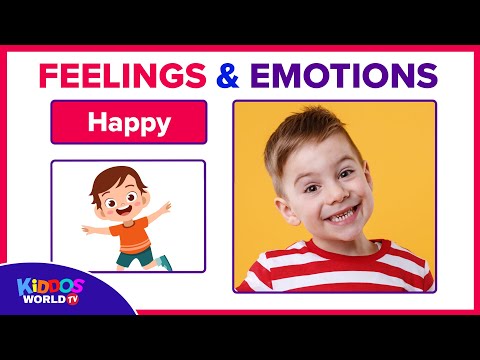 11:37
Emotions and Feelings Visual Cards for Learning
 30:43
ABC Alphabet Video Chart - Learning The Letters and English Vocabulary for Preschool
First words series videos
First words for kids is a crucial step in a child's development. It lays the foundation for language and communication skills, and helps children understand the world around them. By learning their first words, children develop their ability to express themselves, interact with others, and understand instructions and commands.
There are many ways to help children learn their first words, including reading books, singing songs, and playing with toys. Parents and caregivers can also use simple and repetitive language, point to objects and label them, and encourage children to imitate words and sounds. It's important to create a supportive and nurturing environment that encourages children to communicate and learn at their own pace.
First words are just the beginning, and as children continue to develop their language skills, they will learn to use more complex words, grammar, and sentence structures. Science has shown that early language exposure and stimulation is critical for children's future success, both academically and socially.